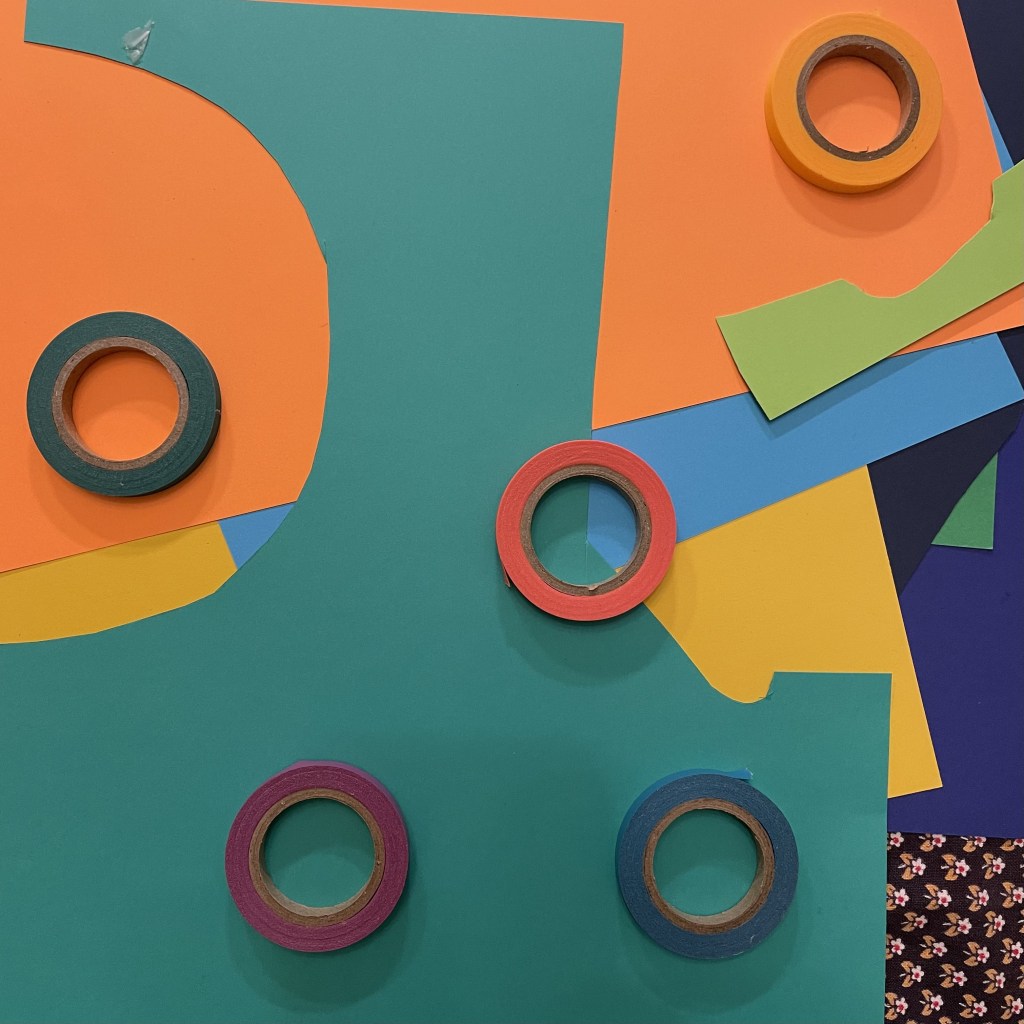
Before diving into the details of materials and techniques, I want to talk about how crucial material exploration and understanding are in planning and teaching art lessons, based on my 10+ years of teaching experience. The depth of exploration and understanding of materials can either provide endless ideas for lesson planning or lead to creative blocks. Additionally, lesson plans built on a solid foundation of material exploration and understanding allow students to discover more ways to express themselves, fostering both creativity and curiosity.
In today’s post, I will discuss how the level of exploration and understanding of materials can be a great source of inspiration when planning lesson plans. When I talk about material exploration, I don’t just mean having basic knowledge about materials; I also mean going beyond their original intended purposes and adding my own creative touch based on research. The simplest example is slime. The DIY slime we commonly know is made from liquid glue and liquid starch. Who would have thought that liquid glue, typically used for bonding things together, could transform into a gooey, smooth play material? This is exactly what I mean by exploration—developing the ability to see materials beyond their conventional uses and applying them in new ways. When you gain a deep understanding of materials, creating lesson plans becomes much easier.
I usually explore materials through the works of artists. Since my main job involves teaching in museums, I create lesson plans based on artists’ works. After studying an artist’s work and the materials they used, I incorporate the same materials into my lessons if they are safe and accessible for students. However, if the materials are hazardous, unsafe, or exceed the budget, I look for alternative art materials that students can use—this process itself becomes a time of material exploration for me. Let me share my material research process using one of my favorite contemporary artists, Jonathan Adolphe, as an example. Jonathan Adolphe is a contemporary American artist who creates translucent artworks using smoke powdered pigment, spray paint, fiberglass, and urethane. Since these materials are not feasible for classroom use, I had to think of an alternative that could still achieve the effect of “translucency” while allowing for various forms and colors. Clear liquid glue turned out to be the best material that could replicate the essence of his work in a student-friendly way. This lesson plan will be introduced later in my material exploration series—so stay tuned!
Through today’s post, I hope school teachers, teaching artists, and all educators can feel less stressed when creating lesson plans by deepening their exploration and understanding of materials!
By TAE



 The Art Learning Hub