
Have you ever wondered how a lesson plan based on material exploration can empower students? Today, I want to dive into this topic and share my experiences as an educator.
One thing I’ve learned through teaching is that if I approach materials with curiosity and flexibility, working with students becomes even more enjoyable. Instead of feeling stressed about how they use materials in their own way, I support their creativity and even learn from them. Encouraging exploration helps students develop confidence in their creative decision-making.
How I Introduce Materials in My Classroom
I primarily teach children aged 4 to 5th grade in both museums and public schools. At the museum, I work with 4- to 6-year-olds, while in schools, I teach K-5 students. No matter the setting, I always start a making activity by asking two key questions before handing out materials:
- “What is this material?”
- “How do you think we can use it?”
Rather than immediately demonstrating how to use a material, I encourage students to recall their past experiences and stretch their imagination. If you’re a teacher or a parent, you know how boundless children’s creativity can be—you might even find yourself nodding along while reading this!
The “Artist’s Box” Activity
In my museum classes, I often use an “Artist’s Box” activity. Inside the box, I place a single material, reveal it to the students, and ask them the same two questions above.
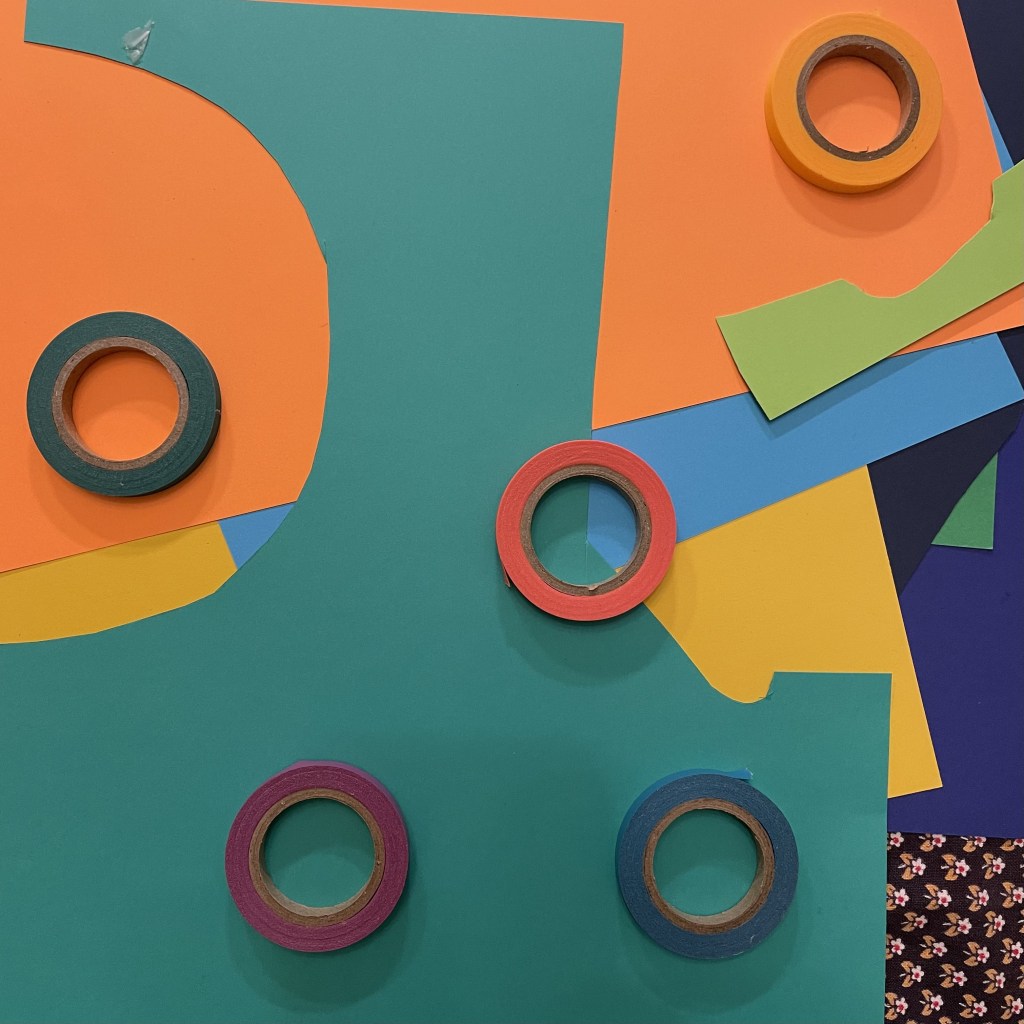
For example, I once placed colorful cardstock inside the box and asked students to think about what it was and how it could be used. Take a moment—pause for 30 seconds and think about how you would use cardstock. Most adults would probably come up with familiar ideas like drawing, folding, or cutting. That’s about where my own thoughts stopped, too. But the children? Their ideas kept flowing! They talked about crumpling the paper, tearing it by hand instead of using scissors, and even using it as a sculptural element. Their endless creativity fascinated me!
I believe that this kind of material exploration helps students develop flexible thinking and overcome fear of the unknown. If you want your children or students to be open-minded and creative in using materials, I highly recommend incorporating material exploration into your lesson plans.
Lesson plans based on material exploration and understanding not only provide these benefits but also empower students to express their thoughts in multiple ways. Just as we communicate through various methods, offering a variety of materials allows students to discover different ways to express themselves. Some materials may feel comfortable and exciting, while others might be frustrating or stressful. However, going through this process helps students discover what works best for them.
Additionally, some students might express discomfort when introduced to new materials. If you, as an educator, have trained yourself in material exploration and have a deep understanding of materials, you can play a crucial role in easing their discomfort and guiding them through the process in different ways.
You may already have your own expertise and experience in this area, but I hope this post brings a fresh perspective. In my next post, I’ll dive deeper into exploring specific materials and the skills associated with them. Stay tuned!
✔️ Develop flexible thinking
✔️ Overcome fear of trying something new
✔️ Discover multiple ways to express their ideas
By TAE


 The Art Learning Hub
Leave a comment